Stunt Cycle Guide: BMX and Wheeling Cycles for Tricks
A stunt cycle is usually a BMX (20-inch wheels, strong small frame) or a dirt jump bike (24–26 inch, hardtail). They have reinforced frames, strong wheels and simple parts that survive jumps and wheelies. Everyday cycles aren't built for tricks and can crack or bend. Start with a helmet, gloves and pads, and learn on grass or a skate park, never on roads.

- BMX: 20 inch, strong frame
- Dirt jump: 24–26 inch
- Normal cycles break doing tricks
- Helmet, gloves, pads
Wheelies, bunny hops and jumps are a big part of cycling culture in Pakistan, especially among teenagers. The right cycle and gear keep it fun instead of painful.
Types of stunt cycles
| Type | Wheels | Best for |
|---|---|---|
| Freestyle BMX | 20 inch | Skate parks, street, flatland |
| Race BMX | 20 inch | BMX tracks |
| Dirt jump / street MTB | 24–26 inch | Jumps, pump tracks |
| Trials bike | 20–26 inch | Balancing on obstacles |
What makes a cycle stunt-ready
- Reinforced frame (often chromoly steel) with strong welds.
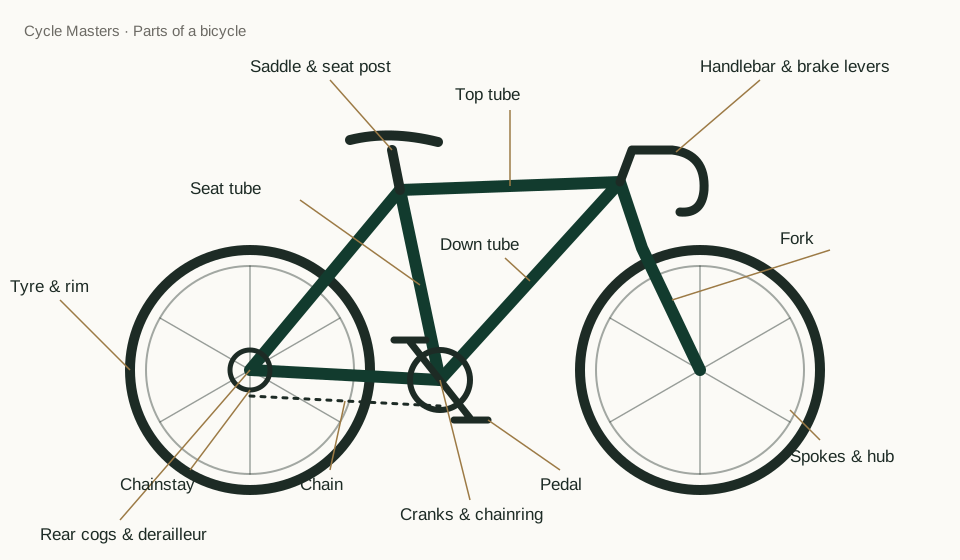
- Strong wheels with 36 spokes and double-wall rims.
- Single speed — fewer parts to break.
- Pegs (BMX) for grinds, and a gyro/detangler on some for bar spins.
Everyday cycles — especially cheap "sports" models — aren't built for repeated impacts. Cracked frames and bent forks are common results. See cycle frame guide.
Protective gear
- Helmet (a skate-style or full-face for jumps) — see kids' helmet guide.
- Gloves for grip and palms.
- Knee and elbow pads, especially when learning.
- Flat-soled shoes for grip on flat pedals.
Learning safely
- Start on grass or a flat car park, away from traffic.
- Learn balance and track stands before jumps.
- Practise manuals and small wheelies with the rear brake covered.
- Progress slowly; film yourself to see what to fix.
- Check bolts, brakes and wheels after every session.
Wheeling on public roads
Doing wheelies in traffic is dangerous for you and others. Use parks, pump tracks and skate parks.
For boys' and teens' cycles generally, see cycle for boys.
BMX sizes
BMX bikes are sized by top tube length rather than frame height. Smaller riders use shorter top tubes (around 18–19.5 inches); adults usually ride 20.5–21 inches. A slightly shorter top tube is easier to spin and throw around; a longer one is more stable for jumps.
Maintenance after tricks
Stunt riding loosens bolts and stresses wheels. After every session, check that the stem and handlebar bolts are tight, the wheels spin true, the chain tension is right, and the brakes work. Replace cracked or bent parts immediately — they can fail suddenly under the next landing.
Frequently asked questions
Which cycle is best for stunts?
A BMX for park, street and flatland tricks; a dirt jump bike for bigger jumps. Both have strong frames and wheels.
Can I do wheelies on a normal cycle?
Small wheelies are possible, but repeated tricks stress the frame, fork and wheels of everyday cycles, which can crack or bend. A proper stunt cycle is safer.
How do I learn a wheelie?
On grass, in an easy gear: pedal slowly, shift your weight back while giving a strong pedal stroke and pulling the bar, and cover the rear brake to stop going over backwards. Wear a helmet.
Do stunt cycles need gears?
No — BMX and most dirt jump bikes are single-speed, which keeps them strong and simple.
Tell us the rider's height, age and budget — we'll recommend a bike, whether or not we stock it.
Related guides
Kids' & baby cyclesCycle for Boys and Men: Choosing the Right Cycle at Every AgeChoosing a cycle for boys and men: sizes from toddlers to adults, the best types (BMX, mountain, sports, hybrid), and what to check before buying.Read guide →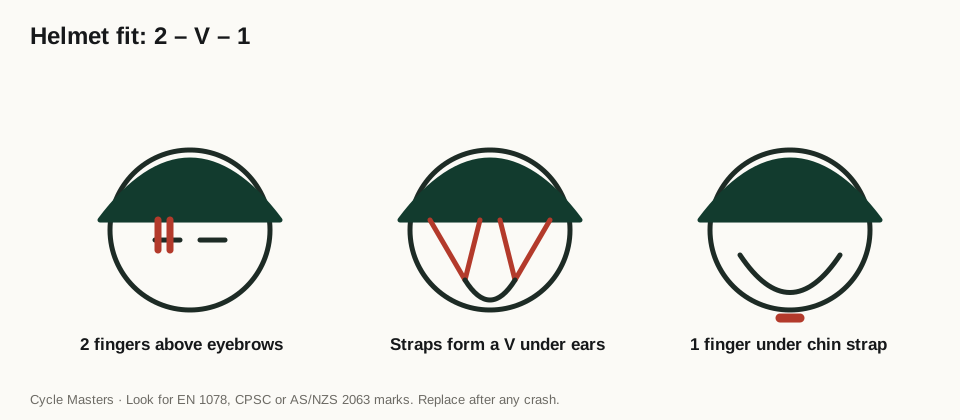 Kids' & baby cyclesKids' Cycle Helmet: Sizes, Fitting and Safety StandardsHow to choose a kids' cycle helmet in Pakistan: measuring head size, a size chart by age, safety marks to look for, fitting steps and when to replace it.Read guide →
 Parts & accessoriesCycle Frame Guide: Steel vs Aluminium vs Carbon, Sizes and Frame TypesWhat a cycle frame is, which frame material is best (steel, aluminium, carbon), frame sizes, step-through vs crossbar frames, and how to check a frame for.Read guide →Parts & accessoriesCycle Wheel and Rim Guide: Sizes, Parts, Truing and ReplacementCycle wheel and rim guide: wheel sizes, rim, spokes, hub and tyre explained, single vs double-wall rims, how to spot a bent wheel, and replacing a cycle.Read guide →