Hand Cycle Guide: Arm-Powered Cycles for Riders With Disabilities
A hand cycle is a cycle powered by the arms instead of the legs, using hand cranks. It lets people with leg disabilities or spinal injuries ride independently. Types include wheelchair attachments (clip-on front units), recumbent hand cycles for sport and touring, and upright hand trikes for everyday use. Indoors, an arm-crank exerciser gives a similar workout.
- Powered by arm cranks
- For leg disabilities/injury
- Wheelchair attachments exist
- Arm-crank exercisers indoors
Hand cycles open up cycling to people who can't use their legs to pedal — for everyday mobility, fitness and even competitive sport, including Paralympic road cycling.
How a hand cycle works
The rider turns hand cranks at chest height, which drive the front wheel through a chain and gears. Steering is usually done by turning the whole crank unit or by leaning. Brakes and gear shifters are mounted on the hand grips.
Types of hand cycles
Wheelchair attachments clip onto the front of a manual wheelchair, turning it into a hand cycle in minutes. Electric-assist versions are increasingly common and great for longer trips.
Upright hand trikes have a higher seat and a relaxed position — easier to transfer into and good for everyday riding.
Recumbent (sport) hand cycles place the rider low and reclined for speed and efficiency. They're used for fitness, long rides and racing.
Kneeling hand cycles are an advanced racing style for riders with trunk control.
Who uses hand cycles
People with spinal cord injuries, amputations, cerebral palsy, multiple sclerosis and other conditions affecting the legs — and anyone rebuilding fitness after injury on medical advice.
Choosing one
Consider how you'll transfer in and out, your trunk stability, where you'll ride, and whether you need electric assist. A specialist dealer or rehabilitation centre can help fit the seat, crank height and controls properly.
Indoor arm-crank exercise
Arm-crank exercisers (and mini pedal exercisers used on a table) give a similar upper-body cardio workout at home — see the mini pedal exerciser guide.
Safety
Hand cycles sit low, so use a tall flag and lights for visibility in traffic. Wear gloves and check brakes before every ride. For other adapted options, see recumbent cycles and electric cycles.
Adaptive cycling for children
Children with disabilities can also enjoy cycling with adapted tricycles, hand-powered trikes or tandem setups where a parent provides the steering and braking. Supports such as trunk harnesses, foot straps and high backrests make riding safer. A physiotherapist can advise on the right setup as the child grows.
Getting started
Try before you buy if you can — rehabilitation centres, disability sports groups and specialist dealers sometimes have demo hand cycles. Start on smooth, flat paths, build arm endurance gradually and take regular breaks. Many riders find hand cycling becomes a social activity as well as exercise.
Frequently asked questions
What is a hand cycle?
A three-wheeled (sometimes four) cycle propelled by hand cranks, used mainly by people who can't pedal with their legs.
Can a wheelchair become a hand cycle?
Yes — clip-on hand-cycle attachments (manual or electric-assist) connect to the front of many wheelchairs.
Are there electric hand cycles?
Yes. Electric-assist attachments and hand trikes make hills and longer distances easier.
Tell us the rider's height, age and budget — we'll recommend a bike, whether or not we stock it.
Related guides
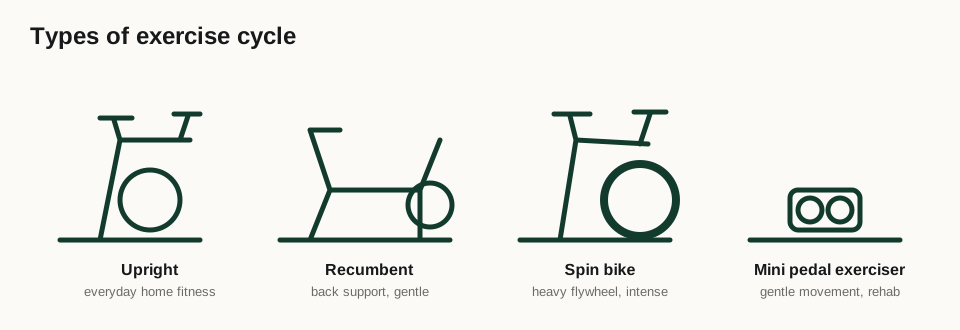 Types of cyclesRecumbent Cycles and Recumbent vs Upright Exercise BikesWhat a recumbent cycle is, recumbent vs upright exercise bikes compared for comfort, back support and workouts, and who each one suits best.Read guide →Types of cyclesMini Cycle Pedal Exerciser (Mini Exercise Cycle): Uses and Buying TipsWhat a mini pedal exerciser is, how to use one for legs and arms, who it suits (older adults, desk workers, recovery), benefits and limits, and what to.Read guide →
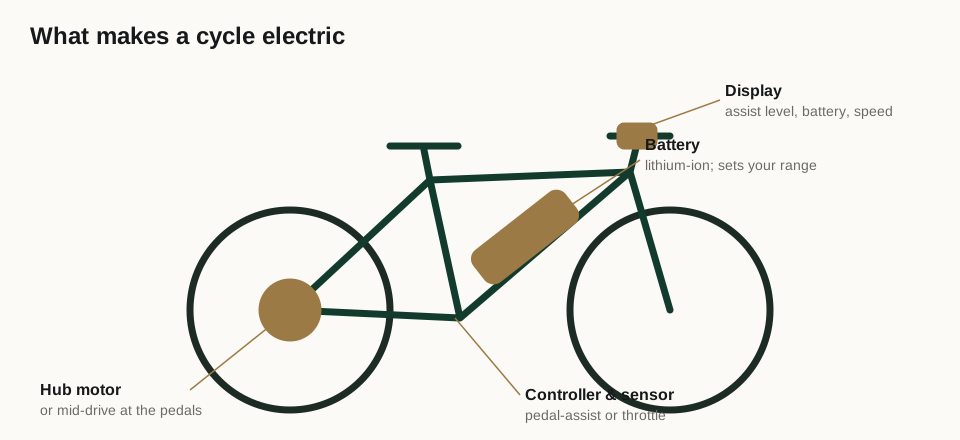 Types of cyclesElectric Cycle (E-Bike) Guide for Pakistan: Prices, Range and Buying TipsElectric cycles in Pakistan explained: pedal-assist vs throttle, batteries and range, charging, prices from about Rs 85,000, and what to ask before buying.Read guide →
 Buying guidesBest Cycle for Older Adults: Comfortable, Safe Options for SeniorsThe best cycles for older adults: step-through frames, upright comfort bikes, e-cycles, tricycles and exercise bikes — plus safety and health tips for.Read guide →